
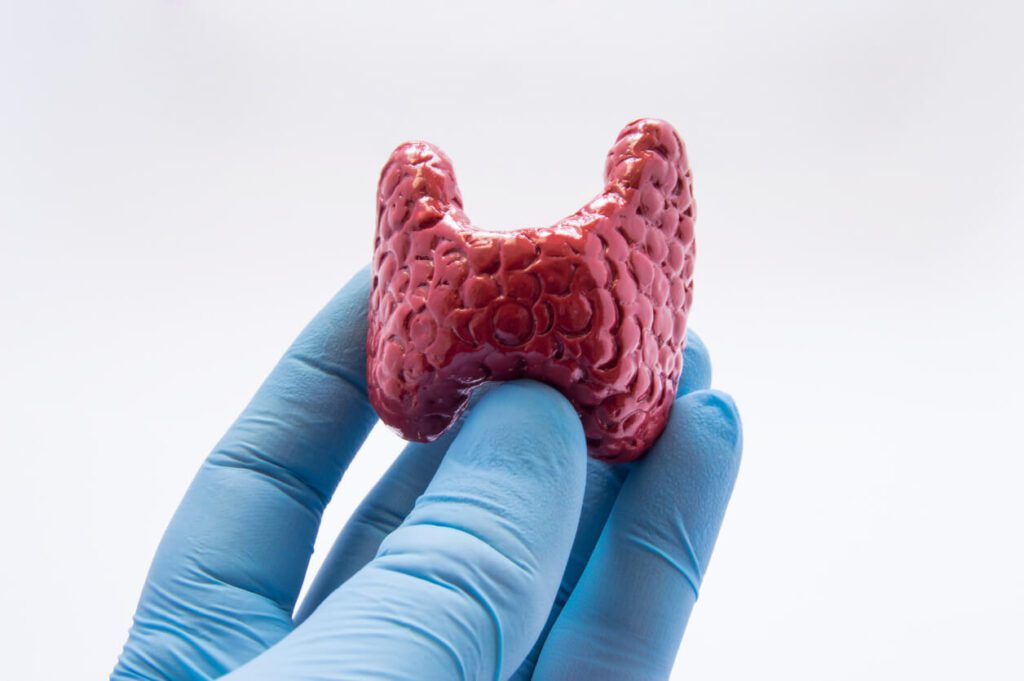
In short, safe thyroid nodule removal relies on selecting a specialist with extensive experience in neck anatomy.
- Otolaryngologists are specialists. Also known as ENTs, these surgeons specialize in the head and neck.
- General surgeons perform operations. Many general surgeons possess the skills to remove the thyroid gland safely.
- Surgical volume matters. Surgeons who perform this procedure frequently generally have lower complication rates.
Thyroid nodule removal surgery is a delicate procedure that requires a skilled hand and deep knowledge of neck anatomy. If your doctor recommends surgery, you likely have questions about who is best qualified to perform the operation. Choosing the right surgeon is the most critical step in ensuring a successful outcome and minimizing risks.
This guide explores the medical professionals who perform this surgery and what you can expect during the process.
Which Doctor Performs Thyroid Nodule Removal Surgery?
The short answer is that two main types of surgeons perform thyroid nodule removal surgery. These are otolaryngologists and general surgeons.
- Otolaryngologists are often called ear, nose, and throat (ENT) specialists. They focus exclusively on the medical and surgical management of conditions affecting the head and neck. Because the thyroid is located in the neck, it falls directly within their area of expertise.
- General surgeons are also qualified to perform thyroid nodule removal surgery. These physicians are trained to operate on the soft tissues of the body, including the endocrine glands. Many general surgeons develop a specific focus on endocrine surgery, which includes the thyroid and parathyroid glands.
Why Does Surgeon Experience Matter?
The anatomy of the neck is complex and crowded with vital structures. The thyroid gland sits near the voice box and the nerves that control the vocal cords. It is also close to the parathyroid glands, which control calcium levels in the body.
Because of this complexity, the experience of the surgeon is paramount. According to a study published in the Annals of Surgery, patients who have their surgery performed by high-volume surgeons experience improved outcomes. While definitions vary, data suggests safer outcomes with surgeons performing at least 25 to 50 thyroid procedures annually.
When discussing thyroid nodule removal surgery with a potential doctor, do not hesitate to ask about their volume. Data suggests that higher surgical volume correlates with better protection of the recurrent laryngeal nerve and parathyroid glands.
When Is Thyroid Nodule Removal Surgery Necessary?
Not every thyroid nodule requires surgical intervention. In fact, many are monitored through a process called “watchful waiting.” However, your physician may recommend thyroid nodule removal surgery under specific circumstances.
- The most common reason for surgery is a suspicion or confirmation of thyroid cancer. If a fine-needle aspiration biopsy indicates cancer or suspicious cells, removal is the standard treatment.
- Surgery is also recommended for large nodules that cause compression symptoms. If a nodule presses on the windpipe or esophagus, it can cause difficulty breathing or swallowing. This condition is sometimes referred to as a goiter.
- Additionally, nodules that produce excess thyroid hormone may require removal. This condition, known as hyperthyroidism, can lead to heart problems and anxiety if left untreated.
What Are the Different Types of Thyroid Surgery?
The extent of your thyroid nodule removal surgery depends on the nature of the nodule. There are two primary approaches surgeons take.
Hemithyroidectomy (Lobectomy)
This procedure involves removing only one side, or lobe, of the thyroid gland. Surgeons often choose this option if the nodule is located on only one side and is not cancerous. It is also an option for small, low-risk cancers.
The benefit of a lobectomy is that the remaining half of the thyroid may produce enough hormone for the body. This means the patient might not need to take daily medication for the rest of their life.
Total Thyroidectomy
This procedure involves the removal of the entire thyroid gland. This is often necessary for larger cancers or multinodular goiters affecting both sides of the gland.
After a total thyroidectomy, the body no longer has a source of thyroid hormone. Consequently, the patient must take hormone replacement medication, such as levothyroxine (Synthroid), daily for life.
How Do I Prepare for Thyroid Nodule Removal Surgery?
Preparation is a key component of a safe procedure. Your surgeon will provide specific instructions tailored to your health history.
You will likely need to undergo blood tests and perhaps a CT scan or ultrasound. These tests help the surgeon map out the procedure. You generally must stop eating and drinking for several hours before the surgery.
If you take blood thinners, you will need to stop them days in advance. Always consult with your prescribing physician before stopping any medication.
What Does Recovery From Thyroid Surgery Look Like?
Recovery from thyroid surgery is usually straightforward, but it requires patience. Most patients remain in the hospital for observation for one night, though some go home the same day.
You will likely experience a sore throat and a stiff neck for a few days. Pain is usually manageable with over-the-counter medication or mild prescription pain relievers.
Most people can return to light activities within a few days. However, recovery from thyroid surgery involves avoiding strenuous activity and heavy lifting for at least two weeks. This helps prevent bleeding and strain on the incision site.
Your surgeon will monitor your calcium levels after surgery. Temporary drops in calcium are common but usually resolve quickly.
What Are the Risks Associated With the Procedure?
While thyroid nodule removal surgery is generally safe, all surgeries carry risks. The most specific risks involve the nearby nerves and glands.
Damage to the recurrent laryngeal nerve can cause hoarseness or a whispery voice. In rare cases, it can cause difficulty breathing. Permanent damage is rare in the hands of experienced surgeons.
Damage to the parathyroid glands is another risk. This can lead to low calcium levels, requiring calcium and vitamin D supplements.
Will I Have a Scar?
The surgeon usually makes a horizontal incision in the center of the lower neck. They often place the incision in a natural skin crease to hide the scar.
With proper care, the scar usually fades significantly over time. Keeping the incision out of the sun and using silicone scar sheets can improve the cosmetic result during recovery from thyroid surgery.
Thyroid Nodule Removal Surgery in Sarasota and Manatee County
Finding a specialist you trust is the first step toward better health. You need a team that combines surgical expertise with compassionate care.
At Intercoastal Medical Group, our team includes highly skilled otolaryngologists and general surgeons. We specialize in the diagnosis and surgical management of thyroid conditions. We serve the Sarasota and Manatee County areas with a commitment to patient safety and excellent outcomes.
If you are concerned about a thyroid nodule, do not wait. Schedule a consultation with one of our specialists to discuss whether thyroid nodule removal surgery is right for you. Call our clinic near you or use our online appointment request form.
