
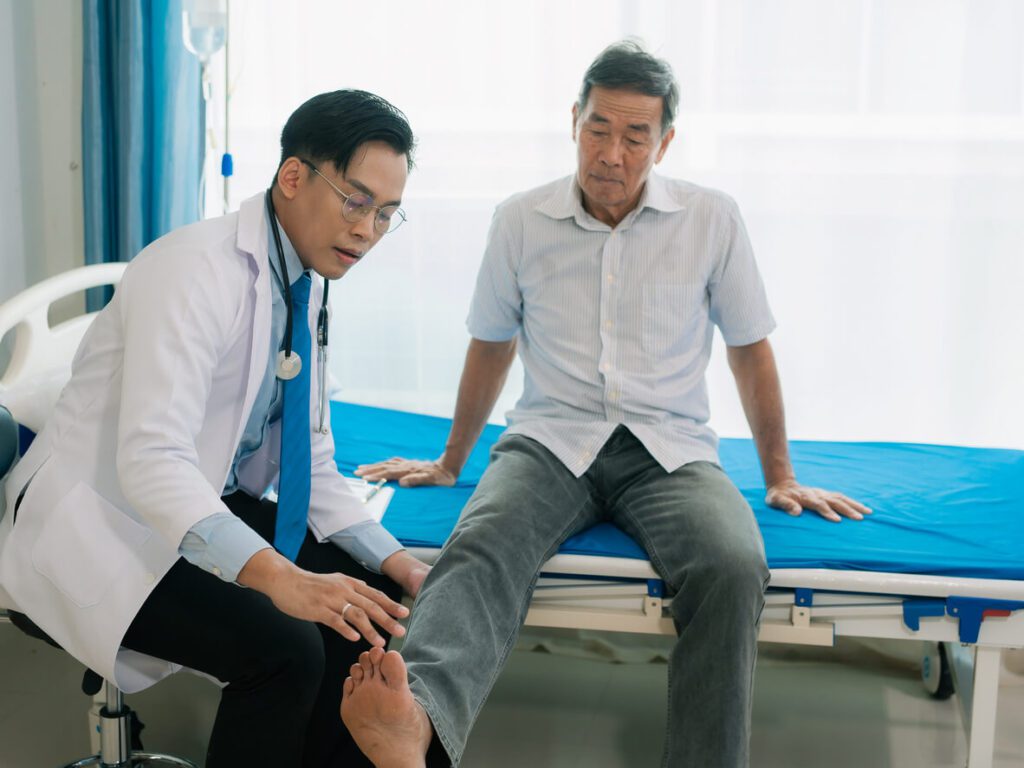
Peripheral Artery Disease (PAD) treatment in older adults focuses on improving blood flow, relieving symptoms, and preventing complications. Here are the key points:
- Lifestyle Changes: Proper diet, exercise, and smoking cessation are essential to managing PAD symptoms and enhancing overall health.
- Medications: Doctors may prescribe drugs to reduce blood clot risks, lower cholesterol, and manage blood pressure effectively.
- Interventional Procedures: Advanced cases may require minimally invasive procedures or surgery to restore proper blood circulation.
Leg pain that flares up during a short walk and eases with rest can feel like a normal part of aging. However, it could also signal peripheral artery disease (PAD), a common circulatory condition that deserves prompt medical attention.
The treatment of PAD in elderly patients focuses on three clear goals: relieving painful symptoms, improving daily mobility, and reducing the serious risks of heart attack, stroke, and limb loss.
In this guide, we will walk you through how doctors manage PAD in older adults, from foundational lifestyle changes and medications to advanced procedures. You will also learn when to seek professional care and how a specialist tailors treatment to your unique needs.
Understanding Peripheral Artery Disease (PAD) in Older Adults
Peripheral Artery Disease (PAD) is a common circulatory condition affecting the arteries that supply blood to your limbs, primarily the legs and feet.
It develops from atherosclerosis, a process in which plaque builds up on the artery walls. This buildup narrows the arteries and restricts healthy blood flow to your muscles and tissues.
When your legs do not receive enough oxygen-rich blood, you may experience pain, cramping, and other uncomfortable symptoms, especially during activity. However, many cases go unnoticed. According to the Centers for Disease Control and Prevention (CDC), up to 4 in 10 people with PAD have no leg pain.
PAD is particularly common in older adults and often signals system-wide atherosclerosis, meaning similar blockages may also be forming in the arteries that feed your heart and brain.
Why Is PAD Treatment Crucial for Older Adults?
The treatment of PAD in the elderly is a vital component of comprehensive cardiovascular care.
One of the most common symptoms of PAD is intermittent claudication—cramping or pain in the leg muscles during activity that subsides with rest. When left unmanaged, this pain can severely restrict mobility, making daily tasks difficult and reducing your overall quality of life.
Timely treatment is essential not only to relieve daily discomfort but also to prevent PAD from progressing to critical limb ischemia (CLI). This advanced stage causes persistent pain even at rest, non-healing sores, and tissue damage, which significantly increases the risk of amputation.
Furthermore, because PAD is a sign of widespread arterial disease, managing the condition effectively lowers your risk of heart attack and stroke, protecting your long-term health, according to Johns Hopkins.
Goals of Treatment of PAD in Elderly Patients
Proper treatment and management can greatly improve quality of life while reducing the risks associated with this serious condition.
Symptom Management and Quality of Life Improvement
A primary goal of treatment is meaningful symptom relief, particularly from the pain of intermittent claudication. When blood flow improves, you can walk farther without discomfort. For older adults, this ability is vital for maintaining independence and staying active.
Preserving your mobility does more than reduce pain. It helps you avoid a sedentary lifestyle, which can worsen both PAD and overall health.
Cardiovascular Risk Reduction
Treating PAD protects your entire cardiovascular system, not just your legs. Cardiologists view PAD as a systemic condition and design care plans that safeguard all of your blood vessels. This means actively managing key risk factors such as high blood pressure, high cholesterol, and diabetes.
Controlling these conditions through medication and lifestyle changes slows the progression of plaque. Over time, this lowers your long-term risk of heart attack, stroke, and other life-threatening events, giving you greater peace of mind.
Medical Management Strategies for PAD
Medical management, overseen by a cardiologist, forms the foundation of the treatment of PAD in elderly patients. It combines carefully chosen medications with structured lifestyle programs to control symptoms and reduce cardiovascular risk.
Pharmacological Interventions
Medication plays a central role in managing PAD. Your cardiologist creates a personalized regimen based on your overall health and the severity of your disease. A typical plan may include several of the following:
- Antiplatelet agents: Medications like low-dose aspirin or clopidogrel help prevent blood clots in narrowed arteries, reducing the risk of heart attack and stroke.
- Statins: These medications lower LDL (“bad”) cholesterol and stabilize arterial plaque to slow the progression of atherosclerosis.
- Blood pressure medications: Drugs like ACE inhibitors manage hypertension, improve arterial function, and lower overall cardiovascular risk.
- Cilostazol: This medication widens leg arteries to improve blood flow, helping to ease the pain of intermittent claudication so you can walk farther.
Every medication carries potential risks and benefits. Your cardiologist will carefully weigh your individual health profile to determine the safest, most effective treatment plan for you.
Supervised Exercise Programs
Structured, supervised exercise programs are among the most effective non-invasive treatments for intermittent claudication. These programs often involve treadmill walking, encouraging you to walk until you feel moderate discomfort, then rest and repeat.
Over time, this approach helps your body develop new blood vessels, known as collateral circulation, that naturally bypass the blockages. The result is improved walking distance, reduced pain, and better overall cardiovascular fitness, all achieved under professional guidance for your safety.
Advanced Interventional and Surgical Treatments
When lifestyle changes and medication are not enough, or when the disease is more severe, a specialist may recommend a procedure to restore blood flow. The right approach depends on the location and extent of the blockage, as well as your overall health.
Endovascular Procedures
These minimally invasive techniques are often preferred for older adults because they carry lower risk and offer faster recovery than open surgery.
- Angioplasty: A specialist guides a balloon-tipped catheter to the blockage and inflates it to widen the artery and restore blood flow.
- Stent placement: Following angioplasty, a specialist inserts a small mesh tube called a stent to keep the artery open over the long term.
Surgical Revascularization
Traditional surgery is typically reserved for extensive blockages or critical limb ischemia, especially when endovascular options are not suitable.
- Bypass surgery: A surgeon uses a synthetic tube or a healthy vein from another part of your body to create a new pathway around the blocked artery.
- Endarterectomy: A surgeon makes an incision in the blocked artery to physically remove the plaque buildup and restore healthy blood flow.
Your specialist will discuss the benefits and considerations of each option, choosing the safest and most effective approach for your specific condition.
Lifestyle Modifications for PAD Management
Daily habits play a powerful role in the treatment of PAD in elderly patients. Alongside medical care, thoughtful lifestyle changes can slow disease progression and improve how you feel every day.
Smoking Cessation and Diabetes Management
If you smoke, quitting is the single most important step you can take. Smoking accelerates atherosclerosis and dramatically raises the risk of amputation, heart attack, and stroke. Your care team can connect you with counseling and support to help you quit for good.
For those living with diabetes, keeping blood sugar within a healthy range is critical. Elevated blood sugar damages the arteries over time and can significantly worsen PAD.
Dietary Adjustments and Weight Management
A diet low in saturated fat, trans fat, and sodium helps lower both cholesterol and blood pressure. Focus your meals on fruits, vegetables, whole grains, and lean proteins to support strong, flexible arteries.
Maintaining a healthy weight reduces the strain on your cardiovascular system. Even modest weight loss can ease PAD symptoms and improve related risk factors like blood pressure and blood sugar.
When to Seek Professional Care for PAD
Monitoring your symptoms closely is an important part of the treatment of PAD in the elderly. Seek prompt evaluation from a cardiologist if you notice any of the following warning signs:
- An increase in the frequency or severity of leg pain
- Pain in your legs or feet while resting
- Slow-healing sores, ulcers, or wounds on your legs or feet
- Changes in the skin color of your feet, such as paleness or a bluish tint
- A drop in the temperature of one foot or leg compared to the other
These symptoms may indicate critical limb ischemia, a medical emergency that requires immediate evaluation to prevent tissue damage or amputation.
The Role of a Cardiologist in the Treatment of PAD in Elderly Patients
A cardiologist specializes in diseases of the heart and blood vessels, including PAD. They diagnose the condition, assess its severity, and evaluate its impact on your broader cardiovascular health.
Your cardiologist will develop a personalized treatment plan that integrates medical, interventional, and lifestyle strategies. They also provide ongoing management, closely monitoring your progress and adjusting therapies over time to ensure you receive the best possible care.
Frequently Asked Questions (FAQ)
Here are answers to some of the most common questions about Peripheral Artery Disease (PAD) to help you better understand this condition and how it can be managed.
How does Peripheral Artery Disease (PAD) affect the body?
PAD occurs when plaque buildup (atherosclerosis) narrows the arteries, restricting vital blood flow to your limbs—most frequently the legs. This reduced circulation prevents muscles and tissues from receiving the oxygen they need to function properly.
What warning signs of PAD should I look out for?
The most frequent indicator of PAD is leg pain, cramping, or fatigue during walking or exercise that subsides with rest. Other signs include coldness in one foot or leg, numbness, slow-healing sores on the toes or feet, and changes in skin color on your legs.
What factors increase the likelihood of developing PAD?
While anyone can develop PAD, the risk increases significantly with age. Key risk factors include smoking, diabetes, high blood pressure, high cholesterol, a sedentary lifestyle, and a family history of cardiovascular disease.
What should I expect during a PAD evaluation?
Diagnosing PAD typically begins with a physical exam and a review of your medical history. Our specialists often perform a quick, non-invasive test called an Ankle-Brachial Index (ABI) to compare blood pressure in your arms and legs.
Additional imaging, such as a vascular ultrasound, may also be used to locate blockages.
How is PAD managed and treated?
Treatment plans at Intercoastal Medical Group are tailored to your specific needs. They often include a combination of lifestyle adjustments (such as a supervised exercise plan), medications to manage cholesterol and blood pressure, and, when necessary, advanced, minimally invasive procedures like angioplasty or stenting to restore healthy blood flow.
What steps can I take to reduce my risk of PAD?
Proactive vascular health starts with lifestyle management. You can lower your risk by avoiding tobacco products, maintaining an active routine, eating a heart-healthy diet, and working closely with your doctor to manage existing conditions like diabetes and hypertension.
Find Compassionate Treatment of PAD In Elderly Patients in Bradenton and Sarasota, FL
Timely, effective treatment is paramount for older adults living with PAD. At Intercoastal Medical Group, our facilities offer convenient access to advanced diagnostic services and comprehensive treatment options, all under one roof.
We emphasize a coordinated, patient-centered approach in which our experienced cardiologists and vascular specialists deliver care tailored to the unique needs of older patients.
If you or a loved one is experiencing symptoms of PAD, Intercoastal Medical Group is here to help you take the next step with confidence. You can use our convenient online appointment request form to schedule a consultation.
