
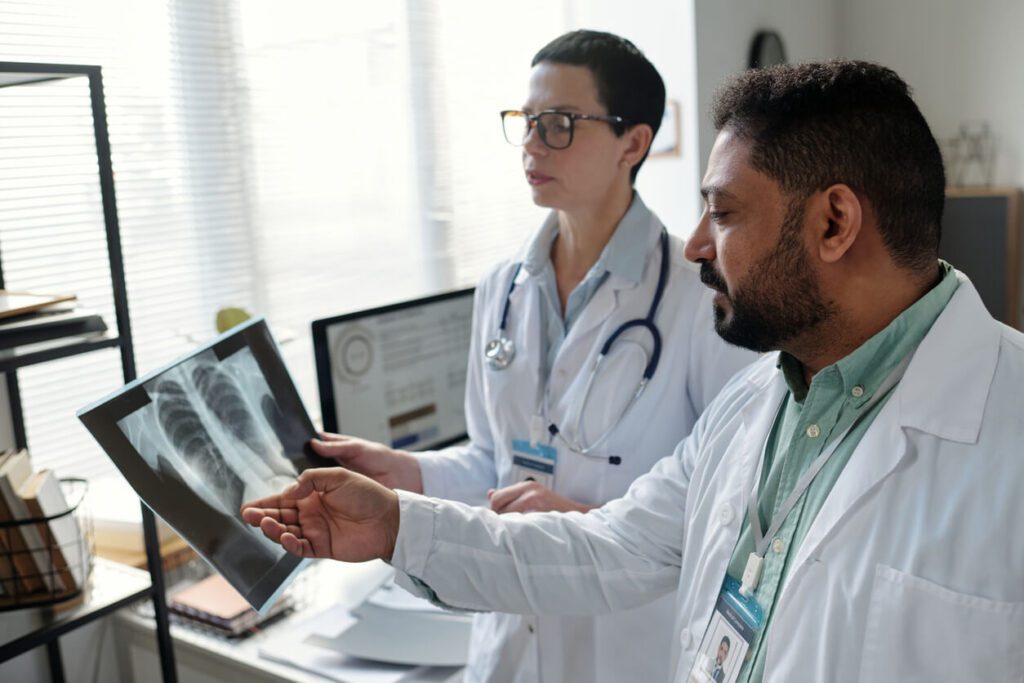
Smoking can severely impact lung health, but pulmonology treatment offers effective ways to manage the damage and improve your quality of life.
In short,
- Smoking causes severe, cumulative damage to lung tissue and function, leading to chronic and progressive diseases.
- Quitting smoking is the most effective action to slow disease progression and improve long-term lung health.
- Our specialized pulmonology care near Sarasota and Bradenton, FL provides expert diagnosis, personalized treatment plans, and comprehensive management for smoking-related lung conditions.
Understanding Smoking’s Impact on Lung Health
According to the Centers for Disease Control and Prevention (CDC), smoking is a leading preventable cause of disease, with profound, often irreversible effects on the respiratory system. Inhaling tobacco smoke introduces thousands of toxic chemicals into the lungs, initiating damage that leads to debilitating conditions like Chronic Obstructive Pulmonary Disease (COPD) and lung cancer.
This overview details lung damage mechanisms, associated conditions, and available diagnostic and management strategies, highlighting the critical role of medical intervention.
How Smoking Damages the Lungs
Harmful chemicals in tobacco smoke systematically compromise lung structure and function. Damage accumulates over time, leading to severe health conditions.
Direct Damage to Airway Structures
The chemicals in tobacco smoke directly damage the lungs’ airways in several ways:
- Cilia Paralysis and Destruction: Cilia, which clear mucus and particles, are paralyzed and destroyed by smoke, impairing lung cleaning.
- Inflammation and Irritation: Smoke irritants cause chronic inflammation, swelling, and excess mucus in bronchial tubes.
- Airway Narrowing: Inflammation, mucus, and scarring narrow airways, hindering airflow.
- Damage to Air Sacs (Alveoli): Smoke damages alveoli (air sacs), breaking down elastic walls and merging them into larger, less efficient spaces, a hallmark of emphysema.
Harmful Chemicals and Carcinogens
The chemicals and carcinogens in tobacco smoke directly damage lung tissue and cellular DNA.
Toxic Mixture
According to the U.S. Food and Drug Administration (FDA), tobacco smoke contains over 7,000 chemicals. At least 250 of these are harmful, including carbon monoxide, ammonia, and hydrogen cyanide.
Cancer-Causing Agents
Around 70 of these chemicals are known carcinogens, such as arsenic, benzene, and formaldehyde. These substances can alter the DNA of lung cells, leading to the uncontrolled growth that forms tumors.
Oxidative Stress
Smoke chemicals generate free radicals, causing oxidative stress that damages cells, accelerates lung aging, and promotes inflammation.
Smoking-Related Lung Conditions
Chronic tobacco smoke exposure causes progressive lung diseases, reducing quality of life and requiring specialized pulmonology near you.
Chronic Obstructive Pulmonary Disease (COPD)
Smoking is the primary cause of Chronic Obstructive Pulmonary Disease (COPD), a progressive condition that obstructs airflow and makes breathing difficult. In fact, smoking is responsible for approximately 8 out of every 10 deaths related to COPD. The term COPD encompasses two main conditions:
- Chronic Bronchitis: Persistent inflammation and mucus production in bronchial tubes.
- Emphysema: Destruction of lung air sacs.
While the structural damage caused by COPD is largely irreversible, treatment can help manage symptoms and slow the disease’s progression. However, it cannot restore lost lung function, making early diagnosis and smoking cessation crucial.
Increased Risk of Lung Cancer
The CDC reports smoking as the primary risk factor for lung cancer, causing 80-90% of deaths. Smokers are 15-30 times more likely to develop or die from it. Carcinogens damage lung cell DNA, leading to malignant tumors.
Other Respiratory Complications
In addition to COPD and lung cancer, smoking can lead to a variety of other serious respiratory complications.
- Asthma Exacerbation: For asthmatics, smoke is a powerful trigger for severe attacks.
- Increased Susceptibility to Infections: Smoking impairs lung defenses, increasing vulnerability to infections like pneumonia and influenza.
- Interstitial Lung Disease: Smoking is a risk factor for interstitial lung disease, causing inflammation and scarring (fibrosis), leading to irreversible breathing difficulty.
Recognizing the Symptoms of Lung Damage
Early symptom recognition is vital. These gradual signs, often dismissed as “smoker’s cough,” indicate underlying lung damage.
Common Respiratory Symptoms
- Persistent Cough: Chronic cough, often worse in the morning, producing mucus.
- Shortness of Breath (Dyspnea): Breathlessness, initially with activity, progressing to rest.
- Wheezing: A high-pitched whistling sound from narrowed airways.
- Chest Tightness: Pressure or constriction in the chest.
Systemic and Progressive Indicators
- Fatigue: Tiredness from increased breathing effort and reduced oxygen.
- Frequent Respiratory Infections: Recurrent colds, bronchitis, or pneumonia.
- Unexplained Weight Loss: Can signal advanced lung disease or cancer.
Diagnosing Smoking-Related Lung Conditions
To effectively treat these conditions, an accurate diagnosis is essential. A pulmonologist will assess your lung health by reviewing your medical history, performing a physical exam, and ordering specialized tests.
Medical Evaluation and Diagnostic Tests
After reviewing symptoms and smoking history, your pulmonologist may recommend:
- Spirometry: This test is most effective for diagnosing COPD as it measures lung capacity and exhalation speed to indicate airflow obstruction.
- Chest X-ray: Reveals emphysema, lung tumors, or other issues.
- CT Scan: Provides detailed lung images, effective for detecting early emphysema or small nodules.
- Arterial Blood Gas Analysis: Measures oxygen and carbon dioxide levels to assess lung function.
Treatment and Management Strategies
The primary goals of COPD management are to slow the progression of the disease, alleviate symptoms, and enhance the patient’s quality of life. Smoking cessation is the most critical component of this strategy.
The Critical Role of Smoking Cessation
Quitting smoking is the most vital step to protect the lungs. Medication and counseling offer the best success.
- Pharmacological Support: FDA-approved medications (nicotine replacement, varenicline, bupropion) can double quitting success.
- Behavioral Counseling: Counseling or group support helps manage triggers and withdrawal.
Always consult with a specialist in pulmonology near you to determine the best smoking cessation plan for you and before starting any new medication.
Medical Interventions and Therapies
- Bronchodilators: Inhaled medications relax airway muscles, opening them, reducing breathlessness, and clearing mucus.
- Corticosteroids: Inhaled anti-inflammatory drugs reduce airway swelling and mucus.
- Oxygen Therapy: For low blood oxygen, supplemental oxygen reduces breathlessness and protects organs.
- Pulmonary Rehabilitation: This medically supervised program improves exercise capacity, reduces symptoms, and enhances well-being.
When to Seek Professional Pulmonology Care
Seeing a respiratory specialist in pulmonology near you promptly allows for an earlier diagnosis and more effective, personalized treatment.
When to Seek Emergency Care
- Sudden, severe shortness of breath hindering speech
- New or severe chest pain/pressure
- Coughing blood
- Bluish lips or fingernails (cyanosis)
- High fever with worsening cough or breathlessness
When to Consult a Pulmonologist
- Chronic cough for over three weeks
- Persistent wheezing or chest tightness
- Difficulty breathing during routine activities
- Significant smoking history, even without symptoms, for screening/prevention
Finding an expert in pulmonology near you is the key to managing your respiratory health. A pulmonologist can provide advanced diagnostics and personalized treatment plans. These plans integrate effective medications, therapies, and lifestyle guidance to help improve your quality of life.
Frequently Asked Questions (FAQ)
Below, we have compiled answers to common questions to help you learn more about our pulmonology care near you and how we can assist with your respiratory health.
How does smoking affect lung health?
Smoking damages the lungs in multiple ways, including impairing their ability to function and increasing the risk of chronic conditions like COPD, emphysema, and lung cancer. It causes inflammation, damages airways, and weakens your lungs’ ability to fight infections.
Over time, smoking can lead to irreversible scarring and loss of lung elasticity, making breathing difficult.
When should I seek treatment?
If you have a history of smoking and experience persistent symptoms such as shortness of breath, chronic cough, wheezing, or frequent respiratory infections, it’s crucial to contact our pulmonology team near you.
Early evaluation and intervention can help manage existing damage, prevent further complications, and improve your overall quality of life. Our pulmonologists can also guide you through smoking cessation programs and offer treatments tailored to your specific condition.
Can my lung health improve after quitting smoking?
Yes, quitting smoking can significantly improve your lung health over time and reduce your risk of further complications. While some damage may be permanent, your lungs begin to heal and function better after you stop smoking. Pulmonologists at Intercoastal Medical Group can provide targeted strategies and care to support your recovery and enhance breathing capacity.
Find Expert Pulmonology Near You in Sarasota and Bradenton, FL
Managing respiratory conditions requires specialized care. If you are experiencing persistent symptoms or have concerns about your lung health, finding a pulmonologist is a crucial step toward an accurate diagnosis and an effective treatment plan. Early intervention can significantly improve your quality of life and prevent complications.
Don’t wait to address your symptoms. At Intercoastal Medical Group, our team of expert pulmonologists is here to provide comprehensive evaluations and personalized care tailored to your specific needs. We are committed to helping you breathe easier and live a healthier life.
Contact Intercoastal Medical Group today to schedule an appointment and take the first step toward better respiratory wellness.
