
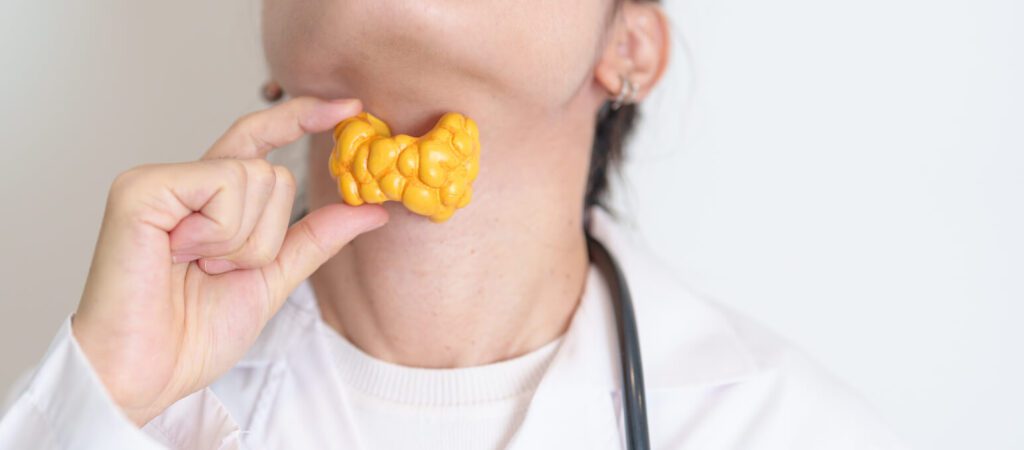
In short, most patients return to their normal routine within two weeks of surgery, though full hormonal regulation may take longer.
- Hospital stays are brief. Most patients return home within 24 hours after the procedure is completed.
- Physical restriction is temporary. Surgeons usually recommend avoiding heavy lifting or strenuous sports for at least two weeks.
- Long-term management is key. Patients who undergo total removal will require lifelong hormone replacement therapy to maintain health.
Thyroid nodule removal surgery is a common procedure performed to address various conditions, including cancer, goiters, or overactive thyroid nodules. Many patients feel anxious about the timeline for healing and when they can return to their daily lives.
Understanding the stages of recovery can help alleviate fear and ensure you are prepared for the process. While every individual is different, the general timeline for healing follows a predictable path.
This guide explores what you can expect during your recovery from thyroid surgery.
What Happens Immediately After the Procedure?
You will wake up in a recovery room where medical staff will monitor your vital signs closely. It is normal to feel groggy from the anesthesia and experience some discomfort in your throat.
Most patients describe the pain as a sore throat rather than severe surgical pain. You may also have a temporary drain placed in the incision site to prevent fluid buildup.
Depending on the extent of your thyroid nodule removal surgery, you may go home the same day or stay overnight. Your surgeon will ensure you can swallow and speak comfortably before discharging you.
How Does the First Week of Recovery Look?
The first few days at home should be dedicated to rest and relaxation. You should avoid driving while you are taking prescription pain medication.
Most patients find they can switch to over-the-counter pain relievers, such as acetaminophen (Tylenol), within a few days. It is important to avoid medications that can increase bleeding risk unless your doctor approves them.
You will likely experience some neck stiffness and limitations in how far you can turn your head. Gentle neck exercises, if approved by your surgeon, can help reduce stiffness over time.
When Can I Return to Work and Exercise?
Recovery from thyroid surgery is generally faster than recovery from abdominal or orthopedic surgeries. Many patients feel ready to return to desk work or school within one to two weeks.
However, if your job involves heavy lifting or strenuous physical labor, you may need more time off. Surgeons typically advise against lifting anything heavier than 10 to 15 pounds for two weeks.
High-intensity exercise should also be paused to prevent strain on the incision site. Walking is encouraged immediately after surgery to promote blood flow and prevent clots.
How Do I Care for the Incision?
Proper incision care is vital for minimizing scarring after thyroid nodule removal surgery. Your surgeon will provide specific instructions regarding when you can shower and how to clean the area.
You may have surgical glue, strips, or stitches closing the wound. It is crucial not to pick at the incision or scrub it vigorously while it heals.
Once the wound has fully closed, applying sunscreen is essential for scar management. Sun exposure can cause the scar to darken permanently, so keep it covered or protected for the first year.
Will I Need Hormone Replacement Medication?
If you undergo a total thyroidectomy, your body will no longer produce thyroid hormones. You will need to take a daily replacement medication, such as levothyroxine (Synthroid), for the rest of your life.
If you undergo a partial thyroid nodule removal surgery, your remaining thyroid tissue may produce enough hormone on its own. Your doctor will test your blood levels periodically to determine if supplementation is necessary.
If you take supplements for hair and nail growth (which often contain biotin/vitamin B7), tell your doctor. Biotin can cause false results on thyroid blood tests, so you may need to stop taking it 3 days before your labs.
Finding the correct dosage can take time and requires patience. You may experience symptoms of hypothyroidism, such as fatigue, until your levels are optimized.
What Are the Risks of Complications?
While thyroid nodule removal surgery is generally safe, all surgical procedures carry some degree of risk. Two primary concerns specific to this surgery involve voice changes and calcium levels.
The recurrent laryngeal nerve, which controls your voice box, sits very close to the thyroid gland. Temporary voice changes occur in a small percentage of patients but usually resolve within weeks.
Your parathyroid glands, which control calcium levels, can also be stunned or damaged during surgery. This can lead to temporary hypocalcemia, causing tingling in the lips or hands.
What Do Studies Say About Quality of Life?
Research indicates that most patients maintain a high quality of life following the procedure. A PubMed study found that patients who underwent thyroidectomy for benign conditions reported significant improvements in general health scores over time.
The study suggests that relieving the physical symptoms of a goiter or nodule outweighs the inconvenience of surgery. Patients typically report high satisfaction rates once they recover from the acute surgical period.
Managing hormone levels accurately is the most significant factor in long-term well-being. Regular follow-up appointments with your endocrinologist ensure your levels remain in a healthy range.
When Should I Call My Doctor?
It is important to monitor your body closely during recovery from thyroid surgery. You should contact your healthcare provider immediately if you experience a fever over 101 degrees Fahrenheit.
Signs of infection, such as increasing redness, warmth, or pus at the incision site, require medical attention. Significant swelling in the neck that makes it difficult to breathe is a medical emergency.
You should also report any tingling in your fingertips or around your mouth, as this indicates low calcium. Early intervention can prevent these issues from becoming serious complications.
Is Diet Restricted After Surgery?
You may have a mild sore throat for a few days after thyroid nodule removal surgery. Eating soft foods like yogurt, mashed potatoes, and cool soups can make swallowing easier.
There are generally no long-term dietary restrictions following the removal of the thyroid. However, you should wait at least four hours after taking your thyroid medication before consuming calcium-rich foods or supplements.
Calcium can interfere with the absorption of levothyroxine (Synthroid). Your doctor or pharmacist can provide a schedule that ensures your medication remains effective.
Thyroid Nodule Removal Surgery in Sarasota
Choosing the right surgical team is the first step toward a successful recovery. The experienced surgeons at Intercoastal Medical Group specialize in endocrine surgery and provide compassionate, patient-centered care.
We utilize the latest surgical techniques to minimize recovery time and reduce the risk of complications. Our team works closely with you to manage your hormone levels and ensure a smooth transition back to daily life.
If you require thyroid nodule removal surgery, trust the experts who prioritize your health and comfort. Contact us at our clinic near you or use our appointment request form today to schedule a consultation with one of our highly qualified specialists.
